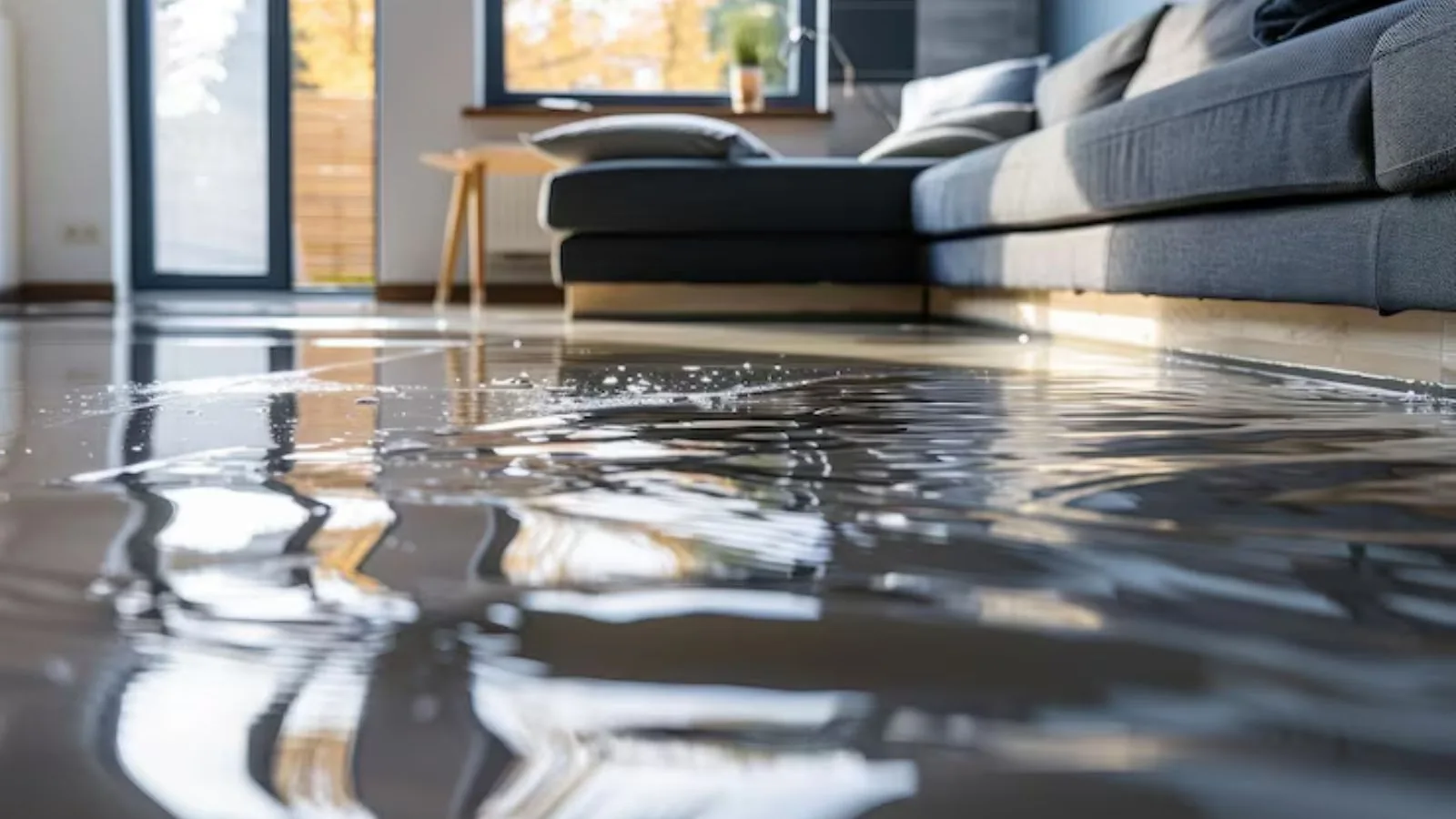
Why Speed Matters More Than Almost Anything Else Here
Water sitting on flooring, drywall, or in a basement's finished space begins real structural absorption within hours, and mold growth becomes a genuine risk within 24 to 48 hours in a warm, humid space. That timeline is why our water damage response line runs on its own dedicated number and is answered 24 hours a day, separately from routine plumbing calls, so a restoration request never waits behind a scheduled repair.
This service covers the cleanup and drying after water damage, whether that's from a burst pipe, a failed sump pump, or storm flooding through a foundation crack. It's a different job than fixing whatever plumbing issue caused the water in the first place, which is why we treat the two as separate calls even when they happen on the same day.
What Actually Happens During Restoration
Standing water is extracted first with pump and vacuum equipment, since drying doesn't meaningfully start until bulk water is gone. Industrial air movers and dehumidifiers then run to bring affected materials down to a safe moisture level, verified with a moisture meter against standard industry drying targets rather than guessing based on how a surface looks or feels.
Materials that have absorbed water beyond what drying can safely restore, like saturated drywall or carpet padding, get identified and removed rather than dried in place. Drying a material that should be replaced just delays the same decision while adding mold risk in the meantime.
What to Do Before We Arrive
If it's safe to do so, shut off electricity to the affected area at the breaker before standing water reaches any outlets or cords. Never enter standing water if there's any chance it's in contact with an energized outlet or appliance.
Move valuables, electronics, and anything easily damaged out of the affected area if you can do so without wading through standing water. Avoid using a household vacuum on standing water, since that's a genuine electrocution and equipment-damage risk, and leave real water extraction to pump and vacuum equipment built for it.
Documenting the Damage for Insurance Before Cleanup Starts
Photograph the water line on walls, any visibly soaked flooring or belongings, and the source of the water itself if it's identifiable, before any extraction equipment moves anything. Insurance adjusters rely heavily on this early documentation, and it's much harder to reconstruct after cleanup has already begun.
Keep a simple list of damaged items as you notice them rather than trying to remember everything afterward, and hold onto any receipts for temporary measures you take yourself, like a wet-dry vacuum rental, since those are sometimes reimbursable depending on your specific policy. We can also provide our own written scope of work and photos once we're on site, which many insurers accept alongside your own documentation.
Emergency Water Damage Response: The First Hour
The first hour after a pipe burst or a leak matters most. Shut off the water at the main, turn off power to wet areas if you can do so safely, and call the 24/7 line before the water reaches more rooms.
We start extraction and drying right away, and we document the damage with photos for your insurance claim. Wet materials that stay damp for more than a day or two risk mold, which is why a same-day response matters.