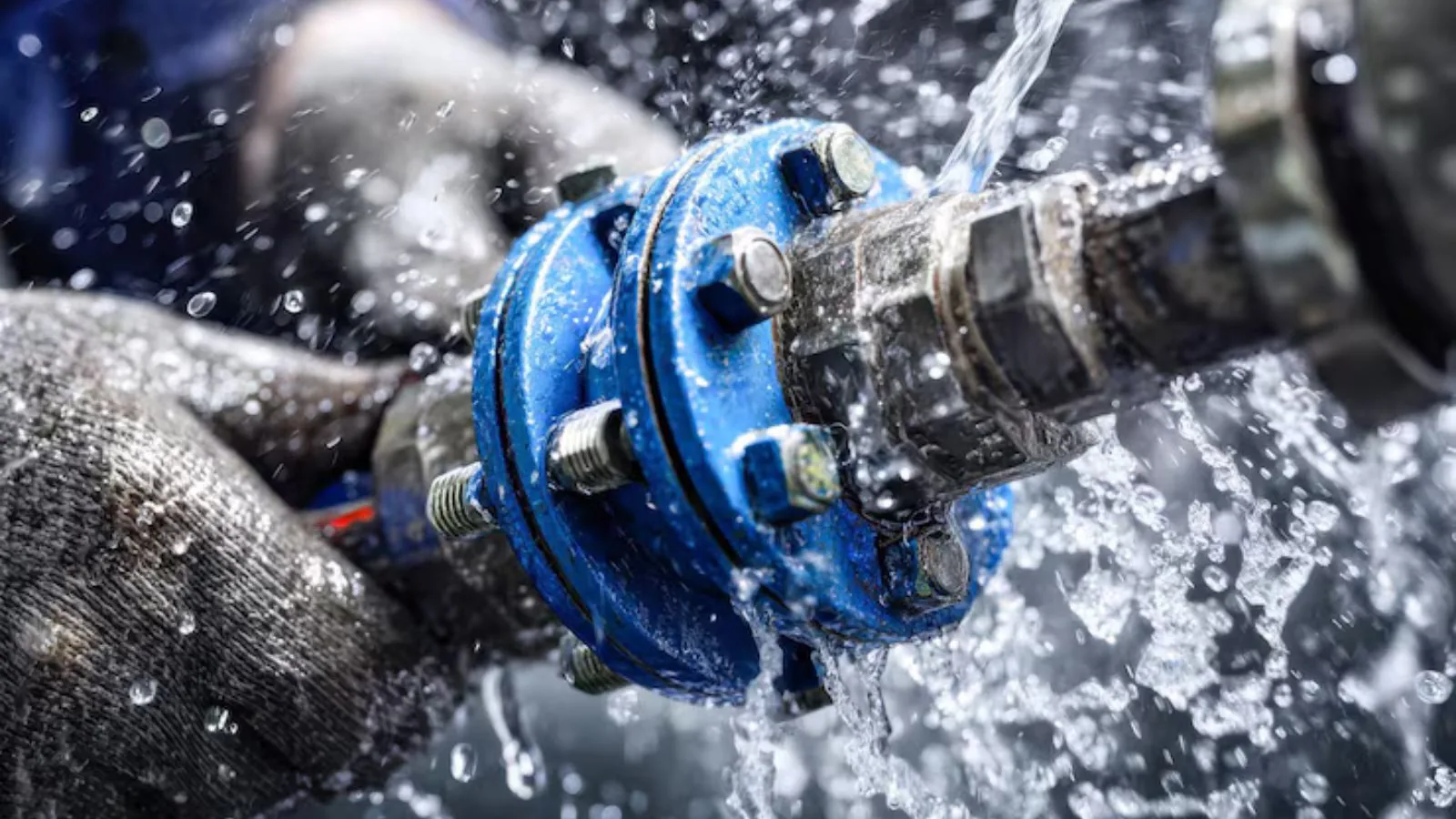
Why Ohio Winters Make This a Genuinely High-Risk Emergency
Ohio consistently ranks among the top ten states nationally for pipe-freeze damage according to insurer data, and Delaware's genuine hard-freeze winters are a direct cause. Pipes running through exterior walls, unheated garages, and uninsulated crawlspaces are the most common failure points, because that plumbing has the least protection from outside cold when temperatures drop for multiple days.
A pipe doesn't have to be exposed to the elements to freeze. Kitchen and bathroom plumbing on an exterior wall sits closer to outside temperatures than most homeowners realize, especially in Delaware's older downtown-area homes built before modern wall insulation standards. That's why the same wall can freeze repeatedly across different winters if the underlying insulation gap is never addressed.
What To Do in the First Five Minutes
Shut off the home's main water valve immediately, which limits damage to whatever water is already in the pipes rather than an ongoing flow. If the burst is near an electrical outlet or fixture, shut off power to that area at the breaker before doing anything else.
Move any furniture, rugs, or belongings out of the affected area if it's safe to do so, and take photos before cleanup starts, since that documentation matters if you file a homeowner's insurance claim.
Most homeowner policies cover sudden, accidental water damage from a burst pipe, but they typically do not cover the cost of the plumbing repair itself, and they generally exclude damage from a pipe that was frozen and leaking slowly over time rather than bursting suddenly. Check your specific policy language rather than assuming either way.
What Happens Once We Arrive
The first step on site is confirming the water is fully shut off at the main, then locating the actual failure point. That point is not always exactly where water is visibly pooling, since it can travel along a joist or through a wall cavity before appearing.
We check the surrounding pipe for other cold-stressed sections before closing anything back up, because a wall that froze once in one spot has often come close to freezing in an adjacent section too.
Once the failure point and any secondary risk areas are confirmed, we quote the repair in writing before cutting into anything further, so you know the full scope, not just the first visible break.
Cracked, Frozen, and Copper Pipe Repair
Cracked pipes come from freeze damage, corrosion, shifting, and old solder joints. Copper repair uses new couplings or a cut-out section, and corroded steel often means replacing a longer run. We shut off, drain, and repair the damaged section, then pressure test it.