Why Precise Location Matters More Here Than Almost Anywhere Else
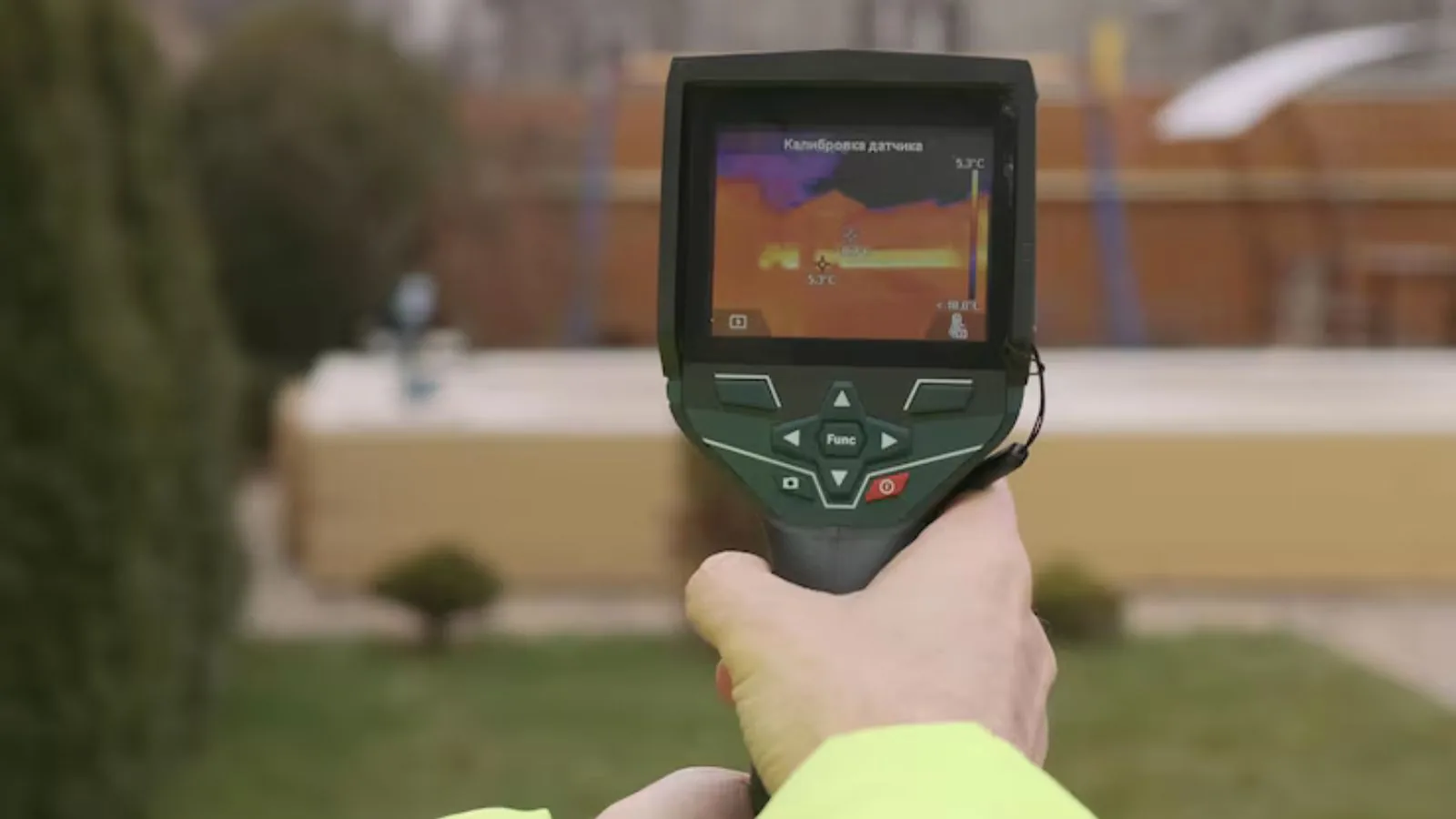
Cutting into a slab without a confirmed location is both expensive and disruptive, and a wrong guess means paying for concrete repair twice. We use acoustic and thermal equipment to narrow the leak to a specific, confirmed spot before recommending any concrete work, the same core process used in general leak detection but focused specifically on under-slab plumbing.
Older homes in Delaware's downtown area, with copper supply lines original to construction, are the most common candidates for a slab leak simply due to age. Copper pipe embedded in concrete corrodes from the outside in over decades of contact with the surrounding soil and moisture.
Repair Options: Access Cut vs. Reroute
A single, confirmed leak point in an otherwise sound line usually gets a direct access cut, repairing just that section of pipe through the smallest possible opening in the slab. When the surrounding pipe shows the same age and corrosion pattern as the leak itself, rerouting the line entirely through the attic or an interior wall is often the more durable choice instead. That approach avoids leaving a line that's likely to leak again in a different spot next year.
What to Watch For While You Wait
If the slab leak involves a hot water line, you may notice your water heater running more than usual to keep up with water that's continuously escaping and being replaced.
Turning off the water heater's dedicated shutoff valve, if you have one and can safely access it, limits ongoing water loss and heating costs until we arrive, though your home's main shutoff always works as a fallback if you're unsure which line is affected.
Slab leak repair, like all our plumbing work, is performed under our registration with the Delaware Public Health District, per the state standard set by Ohio House Bill 487.
When a Slab Leak Becomes an Emergency
Water seeping up through the concrete, a floor that feels warm underfoot, or a meter that spins with every fixture off all point to a leak under the slab. If water is visibly coming up, shut the main valve at the house and call.
A continuous leak under a slab can saturate the soil beneath it and damage flooring and cabinets. A 24/7 line means you do not have to wait for morning to stop the water.
Pinpointing Leaks Under Slabs, Driveways, and Garage Floors
Homeowners usually want to know whether a leak can be found without breaking concrete. Acoustic and thermal tools narrow the location to a small area first, and a saw cut happens only at the confirmed spot. The same approach applies to a leak under a driveway or garage slab.
When the same line has leaked more than once, rerouting it through the attic can cost less than repeated slab repairs. A leak on the hot line leaving the water heater often shows up first as a warm spot on the floor.