Why Faucets in Delaware Wear Out Their Internals Faster
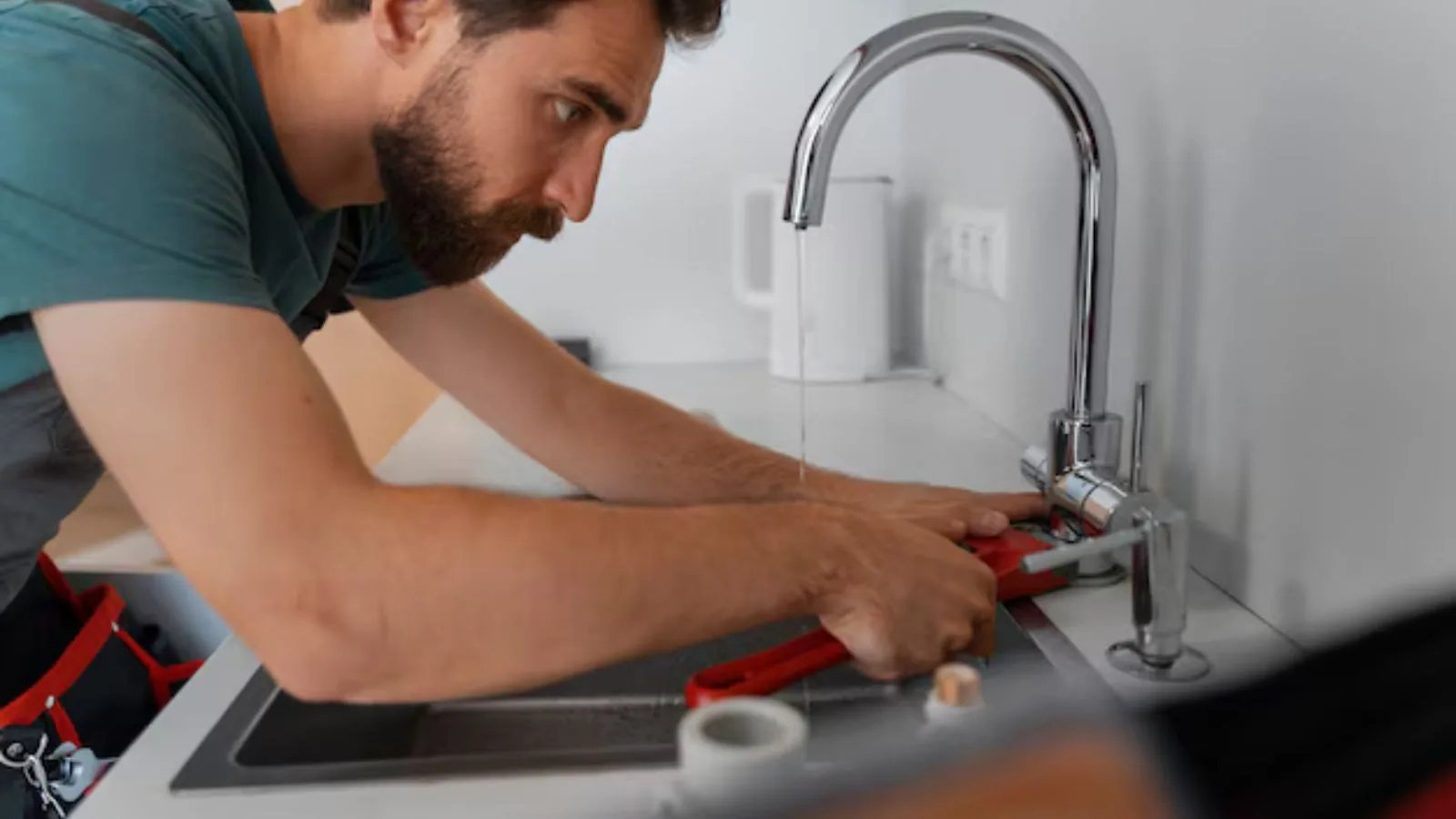
A dripping faucet almost always means a worn cartridge, washer, or O-ring inside the fixture, and Delaware's water hardness accelerates that wear by leaving mineral deposits on the same internal seals that are supposed to stop the drip. That's a big part of why a faucet that seemed fine a year ago can start dripping without any obvious cause, since the wear happens gradually inside a part you never see.
A leak under the sink, rather than at the faucet handle itself, more often comes from a failing supply line connection or a worn P-trap joint, both of which are separate repairs from the faucet's internal cartridge.
Repair or Replace the Fixture
A cartridge or washer replacement fixes the large majority of dripping faucets regardless of the fixture's age, and it's a straightforward, inexpensive repair when the faucet body itself is still sound. A faucet with a corroded or cracked body, or one old enough that replacement parts are no longer made for it, is the point where a full fixture replacement makes more sense than continuing to chase individual part failures.
Kitchen vs. Bathroom Fixtures: Different Wear Patterns
A kitchen faucet sees far more daily use and higher water pressure demand than most bathroom fixtures, which means its cartridge and sprayer components tend to wear out faster in absolute terms. A pull-down or pull-out sprayer head specifically is a common failure point on kitchen faucets, since the hose inside the faucet neck flexes with every use and eventually cracks or kinks.
Bathroom sink faucets more often show mineral buildup restricting flow before any internal part actually fails outright, which is again tied to Delaware's water hardness settling inside the smaller passages of a bathroom fixture over years of use.
Shutoff Valves: The Part Everyone Forgets Until It Matters
The small shutoff valves under a sink are often the original valves from when the home was built, and in older Delaware homes those valves can seize from mineral deposits and years of never being turned.
A valve that won't fully close, or one that seeps once turned, is worth replacing during any faucet or sink repair rather than waiting until an actual emergency requires shutting off water fast and finding it won't cooperate. This kind of fixture work follows the same state registration standard, set by Ohio House Bill 487, as any other repair we perform.
What to Do Before We Arrive
If a supply line or connection is actively leaking, shut off the specific valve under that sink first rather than the whole house's main, if it's accessible and turns freely. Keep any cabinet contents away from the wet area so nothing absorbs water while you wait, and avoid using a heavily leaking faucet at all until the shutoff is confirmed to actually stop the flow.
Emergency Faucet Repair: Burst or Broken Supply Valve
A supply valve or braided line that fails under a sink can put a lot of water on the floor fast. Close the stop valve under the sink. If the stop valve itself is the failed part, shut the main valve to the house and call.
We replace failed stop valves, supply lines, and cartridges, and in most cases the repair is finished in one visit.
Shower Valves, Tub Faucets, and Outdoor Spigots
A shower valve that leaks inside the wall is usually a cartridge or valve body problem, and it is worth fixing before it stains the ceiling below. Tub faucets that drip or will not shut off usually need a new cartridge. An outdoor spigot that leaks inside the wall after a freeze needs the pipe behind it checked.