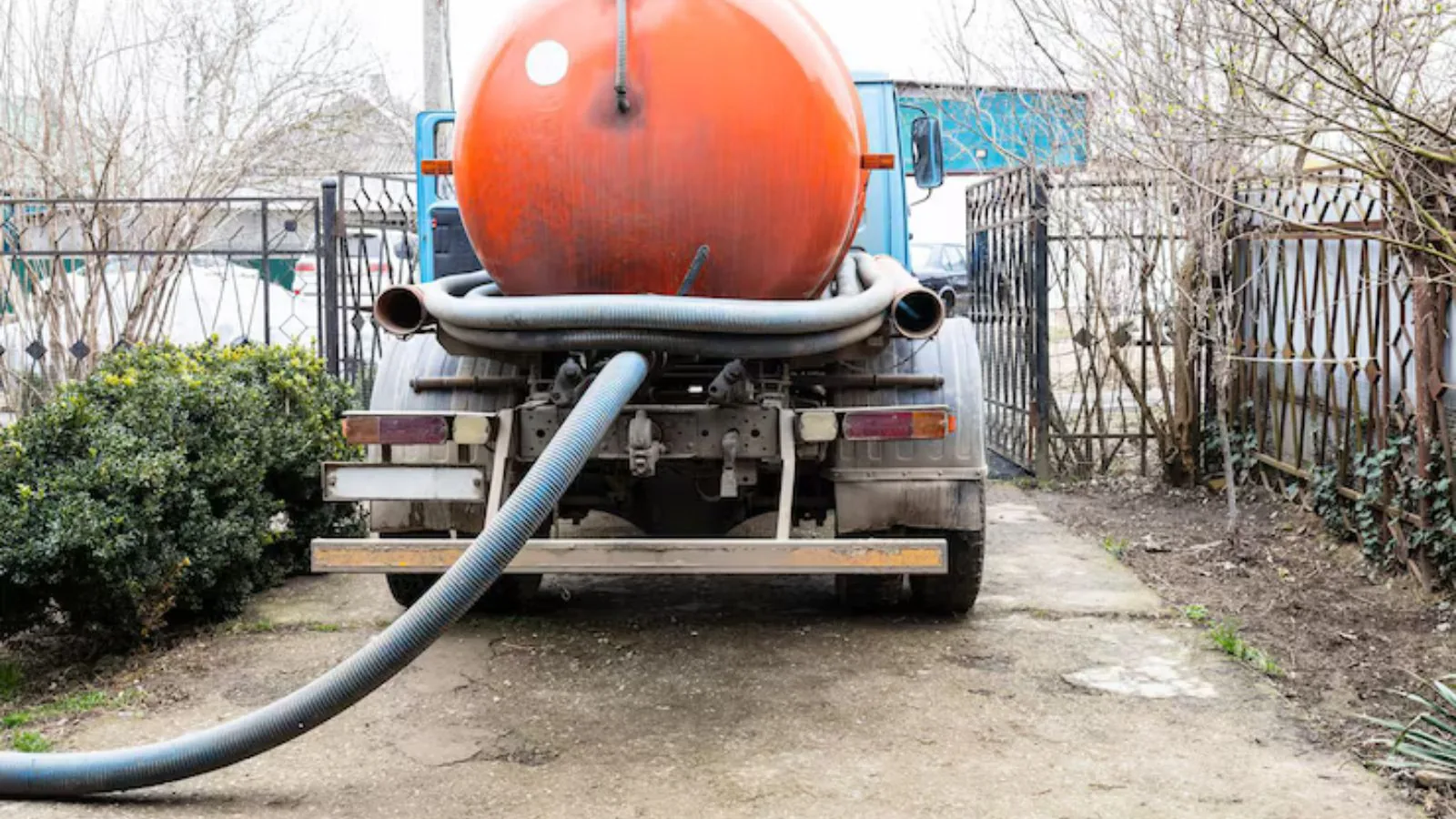
Septic Is Still Common Outside Delaware's City Limits
Outside the city's water and sewer service area, Delaware County's more rural townships, including parts of Troy, Scioto, and Orange Township, still rely on private septic systems rather than a municipal connection. A septic system that's never been inspected or pumped on a regular schedule is one of the more common issues we find on newer-to-the-area homeowners who assumed the previous owner had kept up with it.
Signs You're Overdue, Beyond Just the Calendar
Slow drains throughout the house, especially when multiple fixtures are used at once, often mean the tank is nearing capacity rather than a plumbing clog specifically. A soggy or unusually green patch over the drain field, particularly in dry weather, is a sign the system may already be struggling to properly disperse effluent. Sewage odor near the tank or drain field area, rather than staying contained, means the system needs attention rather than waiting for the next scheduled pumping.
What We Check During a Pumping Visit
Beyond removing solids and sludge from the tank, we check the condition of the inlet and outlet baffles, which direct flow correctly through the tank and are a common failure point on older systems that haven't been serviced in years. We also look at the general condition of the tank itself, including any visible cracking or settling, and let you know honestly if something beyond routine pumping needs attention.
Buying or Selling a Home on Septic in Delaware County
A septic inspection before closing is genuinely worth requesting if you're buying a rural Delaware County property, since a system with an undisclosed problem can be an expensive surprise after move-in. If you're selling, having a recent pumping and inspection on record, with documentation you can hand to a buyer, tends to smooth over a question that otherwise makes buyers nervous about a system they can't see.
What Not to Flush or Drain Into a Septic System
Wipes labeled flushable, feminine hygiene products, and paper towels don't break down the way toilet paper does and are a leading cause of clogs inside the tank and lines feeding it. Cooking grease and oil poured down a kitchen drain solidifies inside the pipes and tank, adding to solids that need pumping out sooner.
Harsh chemical drain cleaners can also disrupt the bacterial balance a septic tank relies on to break down waste naturally, so we recommend avoiding them on a septic system specifically.
Safety Guidance for Septic Access
A septic tank contains hazardous gases and requires proper equipment and training to access safely, which is the core reason this is licensed, professional work rather than something to attempt yourself. Keep children and pets away from any open riser or access point during a pumping visit, and never enter a septic tank or lean directly over an open access point, even briefly.
Septic Backup in the House: Emergency Pumping
Sewage backing up into a tub, floor drain, or toilet in a home on septic can mean a full tank or a blocked line to the tank. Stop using water, including washers and dishwashers, and call.
We pump the tank, inspect the baffles and the line leading to it, and tell you whether the backup started at the tank, the inlet, or the drain field side.
How Septic Systems Are Regulated in Delaware County
Delaware Public Health District reviews designs, inspects installations, and issues operation permits for household sewage treatment systems serving one, two, or three-family homes where a sewer connection is not feasible. Service providers register with the district through an application.
If you are buying a home on septic or replacing a failed system, call the district's environmental health staff at (740) 368-1700 to schedule inspections. We can walk you through what the pump-out shows before you do.